

Perimenopausal Asian Women (PAW) Study

The Perimenopausal Asian Women (PAW) Study explored the relationship between the gut microbiome and the hormonal changes experienced during perimenopause. As more women seek natural, non-hormonal approaches to managing symptoms such as hot flashes, mood changes, sleep disturbances, and joint discomfort, this research aimed to uncover how the gut microbiome may influence symptom severity and overall wellbeing during midlife.
Through comprehensive symptom assessments and gut microbiome profiling of middle-aged Asian women in Singapore, our researchers identified distinct microbial signatures associated with different levels of symptom burden. Women reporting more severe symptoms showed enrichment of 24 microbial species, while 30 species were found to be more prevalent among women with fewer complaints.
These findings highlight the potential role of the gut microbiome in supporting cognitive, musculoskeletal, and overall menopausal health. By identifying microbiome biomarkers linked to symptom severity, the study lays the groundwork for the development of targeted nutritional and microbiome-based interventions that could help women navigate the perimenopausal transition more comfortably.
The study findings were presented at the 19th Singapore Public Health & Occupational Medicine Conference in October 2025.
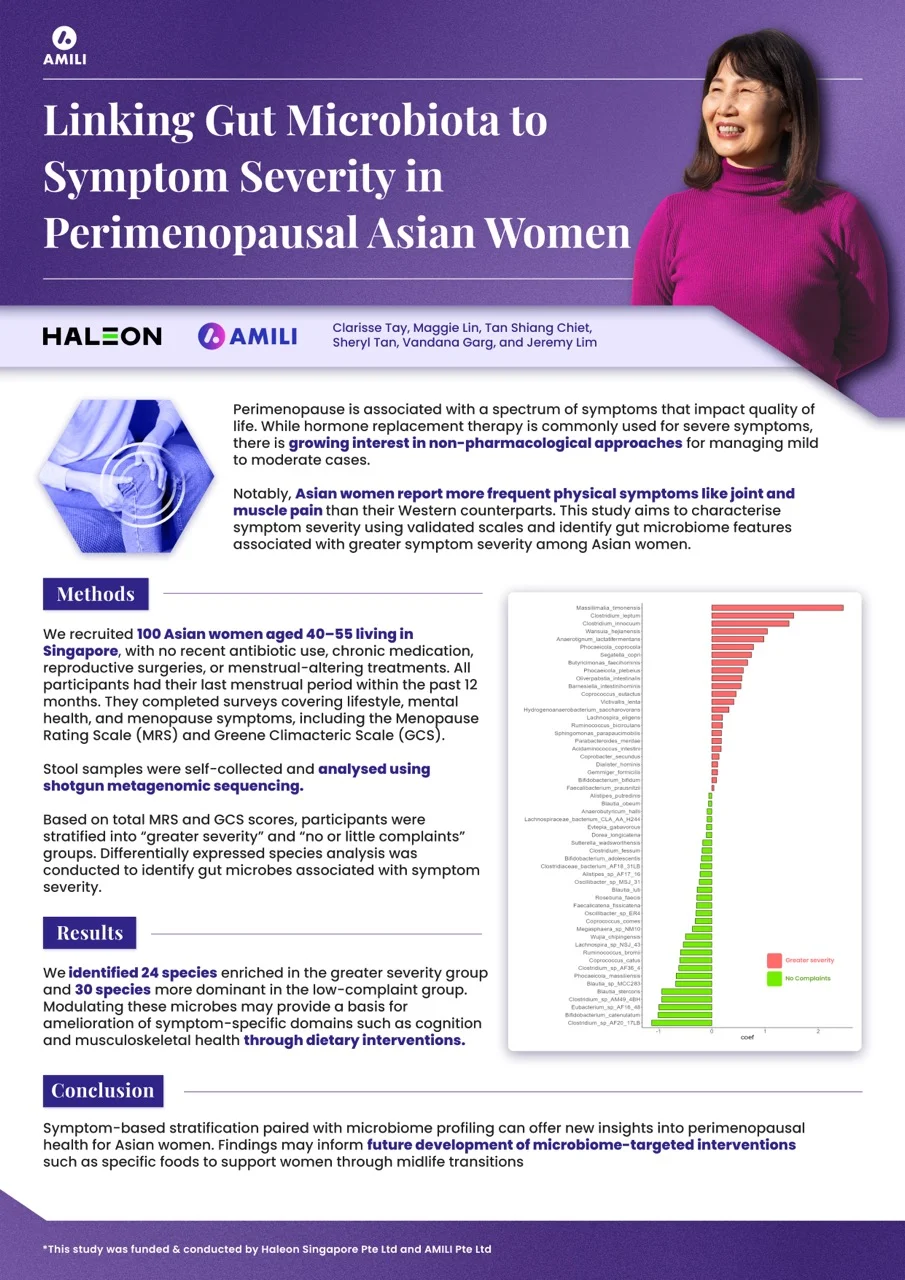
Presented at the 19th Singapore Public Health & Occupational Medicine Conference (October 2025), highlighting microbiome signatures associated with perimenopausal symptom severity in Asian women.
Explore Other Studies
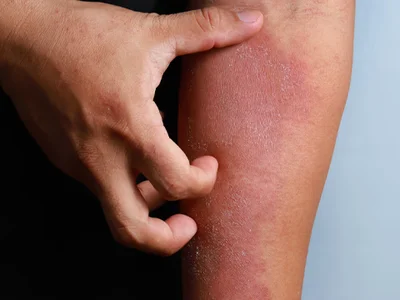
Project Scratch: Unlocking the Gut-Skin Axis

REMEDY Study
The REMEDY study demonstrates that small dietary changes can rapidly influence both the gut microbiome and metabolic health. More importantly, it highlights that there is no one-size-fits-all approach to nutrition.