

Linking Gut Microbiota to Symptom Severity in Perimenopausal Asian Women
Linking Gut Microbiota to Symptom Severity in Perimenopausal Asian Women
Tay, C., Lin, M., Tan, S. C., Tan, S., Garg, V., & Lim, J. (2025). Linking gut microbiota to symptom severity in perimenopausal Asian women [Poster presentation]. 19th Singapore Public Health & Occupational Medicine Conference.
Background. Perimenopause is associated with a spectrum of symptoms that impact quality of life. While hormone replacement therapy is commonly used for severe symptoms, there is growing interest in non-pharmacological approaches for managing mild to moderate cases. Notably, Asian women report more frequent physical symptoms like joint and muscle pain than their Western counterparts. This study aims to characterise symptom severity using validated scales and identify gut microbiome features associated with greater symptom severity among Asian women.
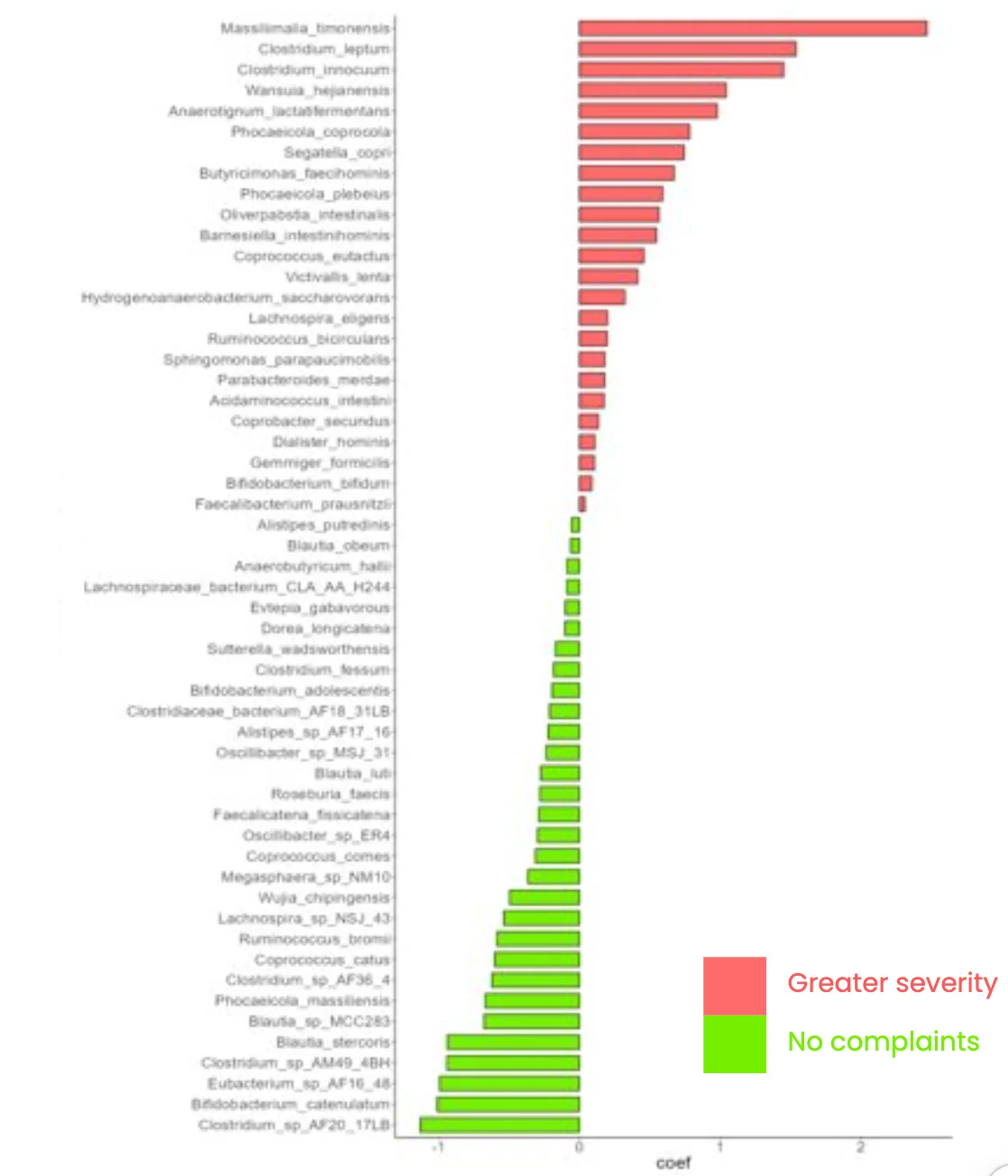
Methods. We recruited 100 Asian women aged 40–55 living in Singapore, with no recent antibiotic use, chronic medication, reproductive surgeries, or menstrual-altering treatments. All participants had their last menstrual period within the past 12 months. They completed surveys covering lifestyle, mental health, and menopause symptoms, including the Menopause Rating Scale (MRS) and Greene Climacteric Scale (GCS). Stool samples were self-collected and analysed using shotgun metagenomic sequencing. Based on total MRS and GCS scores, participants were stratified into “greater severity” and “no or little complaints” groups. Differentially expressed species analysis was conducted to identify gut microbes associated with symptom severity.
Results. We identified 24 species enriched in the greater severity group and 30 species more dominant in the low-complaint group. Modulating these microbes may provide a basis for amelioration of symptom-specific domains such as cognition and musculoskeletal health through dietary interventions.
Conclusion. Symptom-based stratification paired with microbiome profiling can offer new insights into perimenopausal health for Asian women. Findings may inform future development of microbiome-targeted interventions such as specific foods to support women through midlife transitions.